
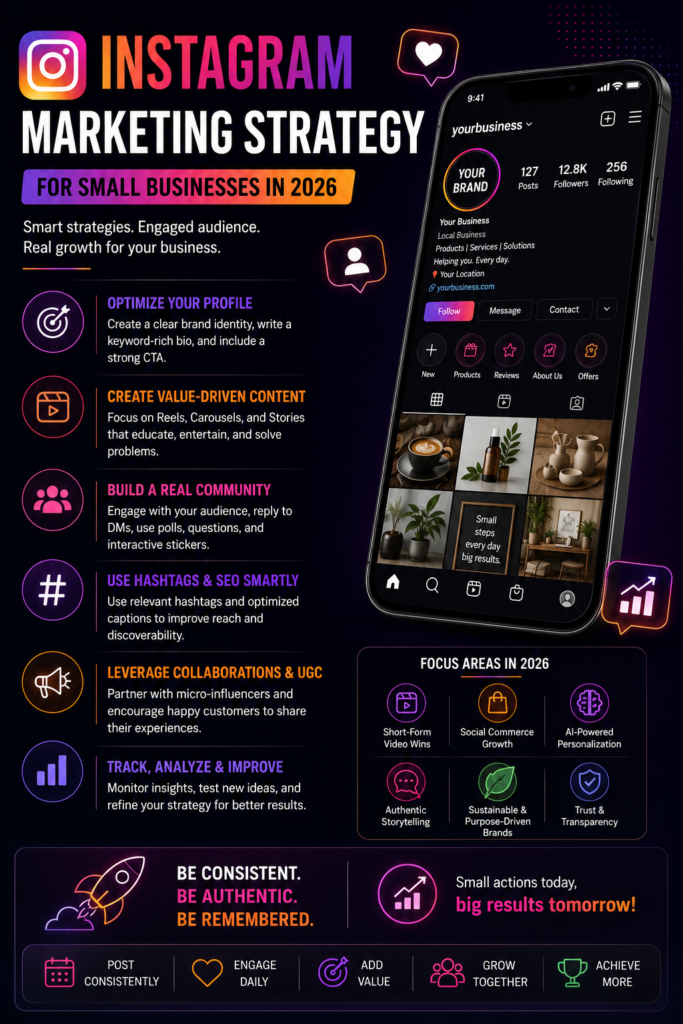
Instagram has evolved beyond a simple photo- and video-sharing platform into a powerful tool for businesses to connect with customers and grow their brand. For small businesses, it can be a powerful channel for building brand awareness, reaching new customers, generating leads, and increasing sales. In 2026, successful Instagram marketing is increasingly about creating useful content, building genuine relationships, using short-form video effectively, and making it easy for people to take action.
Whether you run a local shop, restaurant, service business, online store, personal brand, or startup, you can use Instagram to grow without needing a huge marketing budget.
This guide explains how small businesses can create an effective Instagram marketing strategy in 2026.
Why Instagram Marketing Matters for Small Businesses
One of the biggest advantages of Instagram is that it allows small businesses to compete through creativity rather than just advertising budgets.
A small business can build a loyal audience by consistently sharing valuable content and showing the people behind the brand. Customers increasingly want to know who they are buying from, how products are made, what a business stands for, and how its products or services can solve their problems.
Instagram can help businesses:
- Increase brand awareness
- Reach potential customers
- Build trust and credibility
- Showcase products and services
- Generate website traffic
- Collect leads
- Communicate directly with customers
- Encourage repeat purchases
- Build a loyal community
However, having an Instagram account and posting from time to time isn’t enough to achieve meaningful results.
A successful strategy requires clear goals, consistent content, audience research, and regular .measurement.
1. Optimize Your Instagram Business Profile
Your Instagram profile is often the first impression potential customers have of your business.
Before creating more content, make sure your profile clearly communicates who you are and what you offer.
Use a Clear Profile Picture
Use your company logo if you are building a business brand. If you are a personal brand, consultant, coach, freelancer, or creator, a professional and recognizable photo may work better.
Your profile picture should remain recognizable even when displayed at a small size.
Write a Strong Bio
Your bio should answer three questions:
Who are you? What do you offer? Why should people follow or contact you?
For example:
Helping small businesses get more customers through practical digital marketing strategies.
You can also include your location, target audience, unique selling point, and a call to action.
Add a Relevant Link
Use the link in your profile to send visitors to your website, online store, booking page, landing page, or a relevant campaign.
Make it clear what visitors should do next and encourage them to take action Give them a clear action.
2. Define Your Target Audience
One of the most common Instagram marketing mistakes is trying to create content for everyone.
Instead, identify your ideal customer.
Think about:
- Age
- Location
- Profession
- Interests
- Problems
- Buying behavior
- Goals
- Budget
- Preferred content format
For example, a local fitness business might target working professionals between 25 and 45 who want convenient fitness programs.
The better you understand your audience, the easier it becomes to create content that gets attention.
Instead of asking, “What should I post today?”
Ask:
“What does my target customer need help with today?”
That change in thinking can dramatically improve your content strategy.
3. Create Content Around 4–5 Main Pillars
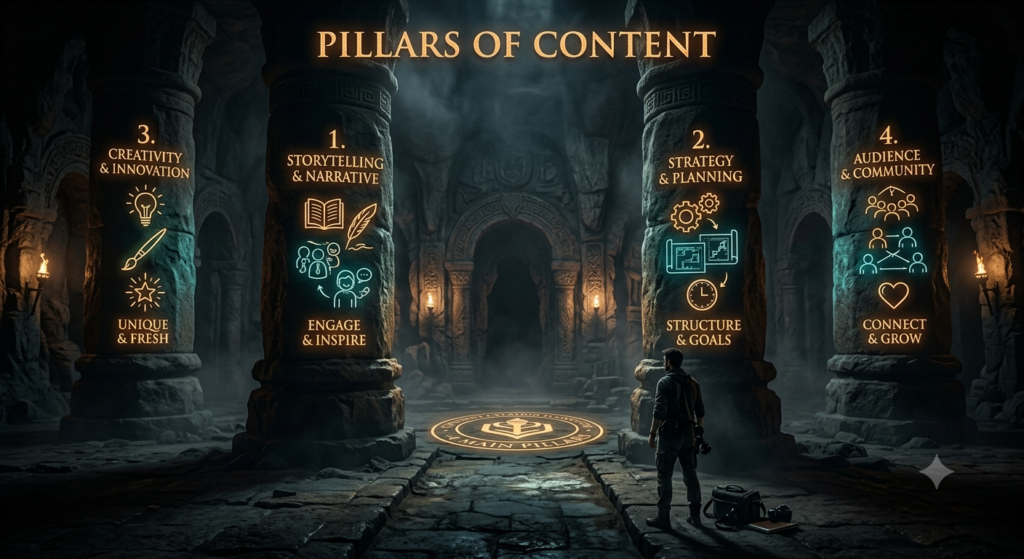
You don’t need to post random content every day.
Create several content pillars that consistently communicate your brand message.
For example, a digital marketing agency could use these pillars:
Educational Content
Teach your audience something useful.
Examples:
- SEO tips
- Instagram marketing tips
- Website optimization ideas
- Advertising mistakes
- Content marketing strategies
Promotional Content
Show your products or services and explain their benefits.
Avoid making every post a sales pitch. Instead, demonstrate how your offer solves a specific customer problem.
Behind-the-Scenes Content
Show the human side of your business.
You could share:
- Your workspace
- Team members
- Product creation
- Daily operations
- Business milestones
- Company culture
Social Proof
Show customers that other people trust your business.
Examples include:
- Testimonials
- Reviews
- Case studies
- Before-and-after results
- Customer stories
Entertaining or Relatable Content
Not every post needs to be educational.
Humor, relatable situations, trends, and engaging stories can help people connect with your brand.
4. Make Seo a Major Part of Your Strategyhort-Form Vid
Short-form video continues to be one of the most important content formats for businesses on Instagram.
Reels can help small businesses reach people beyond their existing followers.
You don’t necessarily need expensive cameras or professional equipment.
You can create engaging videos with just a smartphone, proper lighting, clear sound, and valuable content ideas.
Some Reel ideas include:
- “3 mistakes small businesses make on Instagram”
- “Before and after”
- “How our product is made”
- “A day in our business”
- “5 tips for…”
- Customer testimonials
- Frequently asked questions
- Product demonstrations
- Quick tutorials
- Industry myths
Focus on delivering value quickly.
The opening seconds are especially important because viewers can scroll away instantly.
5. Use Instagram Stories to Build Relationships
While Reels can help you reach new people, Stories can help you stay connected with your existing audience.
Stories are ideal for more casual and frequent communication.
You can use them to:
- Share daily updates
- Ask questions
- Run polls
- Show behind-the-scenes content
- Announce offers
- Share customer reviews
- Promote new products
- Answer frequently asked questions
- Collect feedback
For example, a restaurant could use a poll asking:
“Which special should we offer this weekend?”
This creates interaction while also giving the business useful customer feedback.
6. Write Captions That Encourage Action
A good image or video gets attention, but the caption can provide context and encourage people to engage.
Instead of writing a generic caption, use a simple structure:
Hook → Value → Call to Action
For example:
Hook:
“Your Instagram posts aren’t getting customers? Here’s one reason why.”
Value:
“Many businesses promote their products without clearly communicating the problem they solve.
Show customers the benefit, demonstrate the result, and answer their most common questions.”
Call to action:
What is the biggest challenge your business is currently facing on Instagram? Tell us in the comments.”
Your CTA could ask people to comment, save, share, visit your website, send a message, or make a purchase.
7. Use Instagram SEO
Instagram is increasingly used as a discovery platform. People may search for businesses, products, services, locations, and solutions directly on social platforms.
This means your content should be easy to understand and discover.
Use relevant keywords naturally in:
- Your profile name
- Bio
- Captions
- Video text
- Content topics
- Alt text where appropriate
- Hashtags when relevant
For example, instead of using only a business name, a local bakery could make its profile description more descriptive:
Homemade Cakes in Kerala | Birthday Cakes | Custom Desserts “
This helps communicate immediately what the business offers.
8. Don’t Depend Only on Hashtags
be useful for categorization and discovery, but they shouldn’t be the Hashtags can still foundation of your Instagram strategy.
The quality and relevance of your content matter more than simply adding a large number of hashtags.
Use hashtags that genuinely relate to your:
- Industry
- Location
- Product
- Service
- Target audience
For a local business, location-related terms can be particularly useful.
For example, a salon could focus on relevant combinations involving its service and location rather than using extremely broad hashtags.
9. Collaborate With Micro-Influencers and Local Creators
Small businesses don’t always need celebrity influencers.
Micro-influencers and local creators can sometimes provide a more relevant audience and stronger community connection.
Look for creators whose followers match your target customers.
Possible collaborations include:
- Product reviews
- Tutorials
- Giveaways
- Events
- Sponsored Reels
- Customer experiences
- Joint Live sessions
Before working with a creator, check whether their audience is genuinely relevant to your business. Follower count alone doesn’t guarantee results.
10. Use User-Generated Content
User-generated content (UGC) refers to photos, videos, reviews, or other content shared by customers about a brand or its products.
It can include:
- Customer photos
- Product videos
- Reviews
- Testimonials
- Unboxing videos
- Customer Stories
UGC can provide social proof because potential customers can see real people using your products or services.
Encourage customers to tag your business and ask for permission before reposting their content.
11. Turn Instagram Conversations Into Leads
Instagram isn’t only about likes and followers.
For many businesses, conversations can be more valuable.
Encourage people to send direct messages when they want information.
For example:
“Send us ‘PRICE’ by DM and we’ll send you the details.”
A service business could also use Instagram to answer questions, qualify potential customers, schedule consultations, or direct people to a booking page.
The key is to make the next step simple.
12. Use Paid Advertising Strategically
Organic content can help build your audience, but paid advertising can help you reach specific groups of potential customers.
Small businesses don’t necessarily need a huge advertising budget.
Start with a clear objective, such as:
- Website visits
- Leads
- Messages
- Product sales
- Local awareness
Test different creatives and audiences rather than spending the entire budget on one advertisement.
For example, you might test two different videos promoting the same service and compare which one generates more qualified leads.
13. Create a Consistent Content Schedule
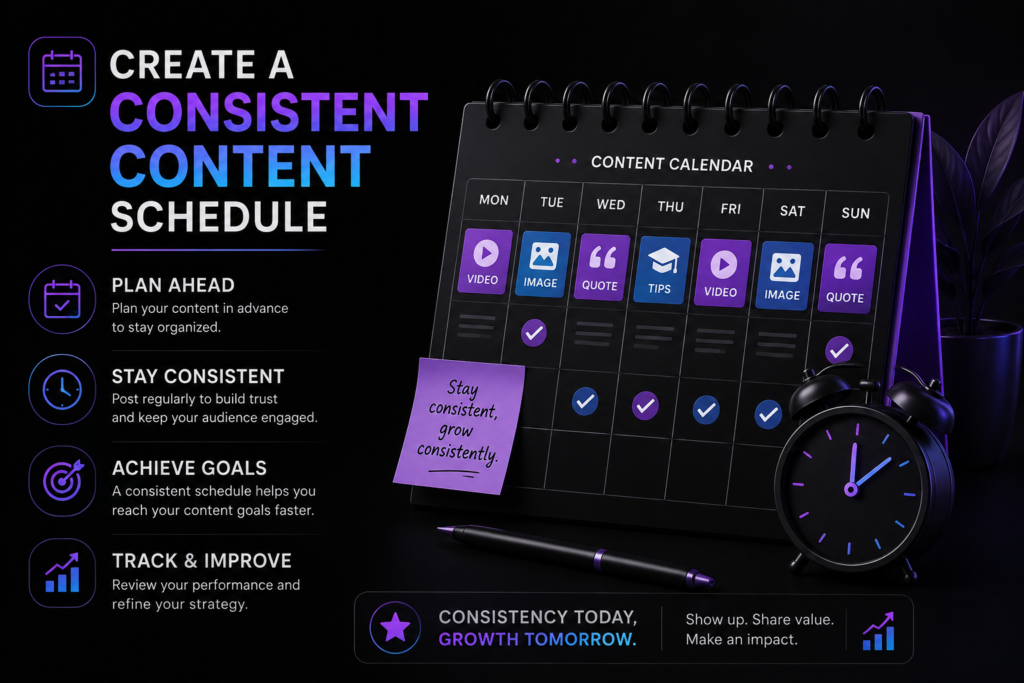
Maintaining a consistent posting routine is more effective than trying to publish too much content. Small businesses can begin with a simple and realistic schedule, such as:
Monday: Educational Reel
Tuesday: Stories and poll
Wednesday: Customer testimonial
Thursday: Educational carousel
Friday: Product/service Reel
Saturday: Behind-the-scenes Stories
Sunday: Community or personal content
The exact schedule isn’t important.
What matters is creating a system your business can maintain.
Batching content can also save time. Instead of creating one video every day, record several videos during one session and schedule them throughout the week.
14. Track the Right Instagram Metrics
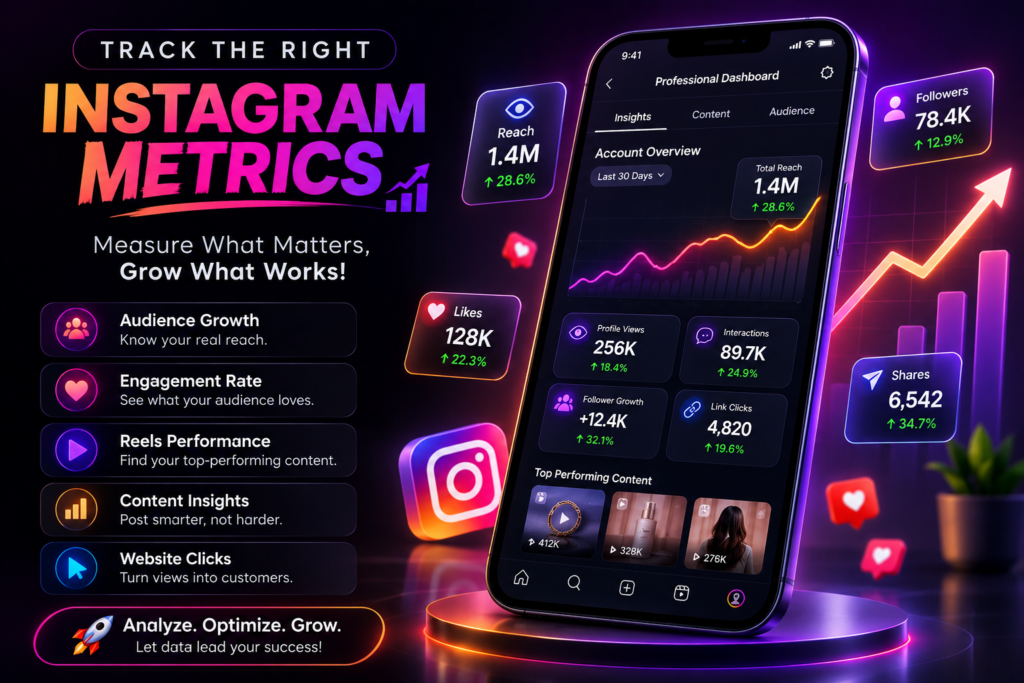
Don’t judge your strategy only by follower count.
Focus on tracking metrics that directly support your business objectives. Important metrics include:
- Reach
- Engagement
- Saves
- Shares
- Profile visits
- Website clicks
- Direct messages
- Leads
- Sales
- Conversion rate
If a post gets fewer likes but generates several qualified leads, it may be more valuable than a post that receives hundreds of likes without producing business results.
Review your performance regularly and identify which topics, formats, and messages generate the best results.
15. Common Instagram Marketing Mistakes to Avoid
Small businesses often make the same mistakes when starting Instagram marketing.
Posting Without a Strategy
Random posts make it difficult to build a recognizable brand.
Only Promoting Products
Customers may lose interest if a business focuses too heavily on promotional content.
Balance promotional posts with educational, entertaining, and community-focused content.
Ignoring Comments and Messages
Social media is a two-way communication channel. Respond to customers and participate in conversations.
Copying Competitors
Study competitors for ideas, but develop your own voice and content style.
Chasing Every Trend
Not every trend is appropriate for every business. Use trends when they fit your brand and audience.
Buying Followers
Fake followers don’t create genuine customers and can make your analytics less useful.
Conclusion
Instagram marketing in 2026 is about more than collecting followers. For small businesses, the real opportunity is to use Instagram as a complete customer journey—from discovery and trust-building to conversations, leads, and sales.
Instagram marketing in 2026 is about more than collecting followers. For small businesses, the real opportunity is to use Instagram as a complete customer journey—from discovery and trust-building to conversations, leads, and sales.
Begin by optimizing your Instagram profile and gaining a clear understanding of your target audience.
Build a few strong content pillars, use short-form video, communicate through Stories, encourage user-generated content, collaborate with relevant creators, and make it easy for customers to contact you or buy from you.
Most importantly, don’t expect overnight results. Instagram growth comes from consistently providing value, understanding your audience, testing different approaches, and improving based on real data.
The goal isn’t simply to become popular on Instagram. The goal is to turn attention into relationships and relationships into customers..